Is Skateboarding Hard? What to Really Expect
After 33 years on a board and hundreds of students taught, here’s the real answer.
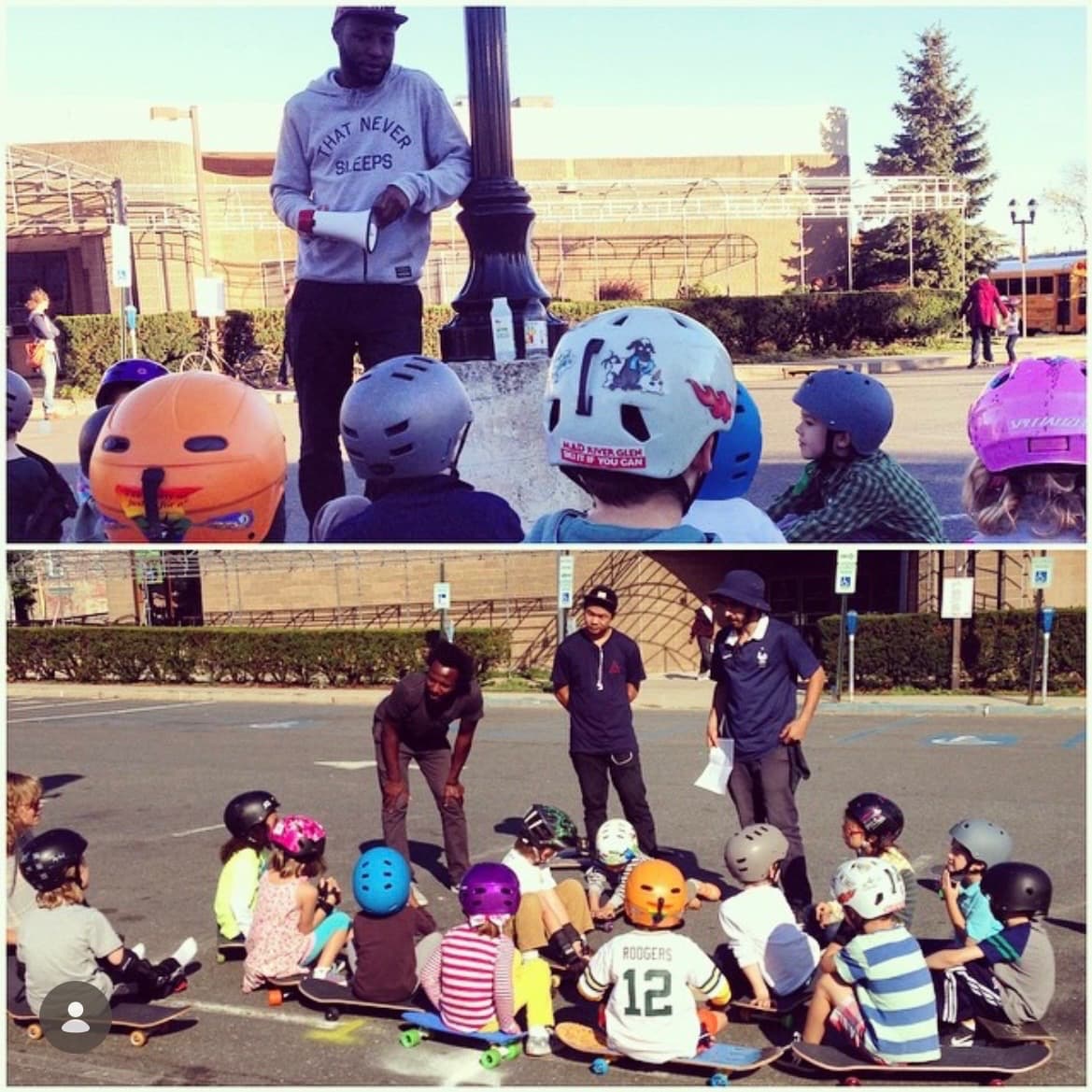
I get this question all the time. Parents ask before signing their kids up. Adults ask before their first lesson. Teenagers ask while already standing on a board. And honestly, I love the question because the answer is more interesting than people expect.
The short version: some parts of skateboarding are hard. Some parts aren’t. And the stuff most people think will be hard usually isn’t what trips them up.
What is the first day of skateboarding like?
Less intimidating than you’d think. Most of my beginners—kids and adults—are standing on the board and rolling within the first twenty minutes. The early stuff (stance, pushing, balance) builds on movements your body already knows. A skateboard just adds wheels to what you do every time you stand up.
Most people show up to their first session expecting to struggle for an hour and leave frustrated. That almost never happens. I’ve taught three-year-olds and sixty-year-olds, and the vast majority of beginners are standing on the board and rolling within the first twenty minutes.
The early stuff is way more approachable than people think. Finding your stance, learning to push, getting comfortable with the feeling of rolling. Your body already knows how to balance. You do it every time you stand up. A skateboard just adds wheels.
I had a 45-year-old woman show up last year convinced she was going to embarrass herself. She told me she hadn’t done anything athletic since college. By the end of her second session, she was cruising around the park on her own. She texted me the next day saying her kids couldn’t believe it. That’s not unusual. That’s what happens when someone gets the right guidance from the start.
What is the hardest part of learning to skateboard?
The jump from cruising to tricks. Riding itself comes quickly, but an ollie—the foundation for almost everything else—takes most people one to three months of regular practice. It’s not impossible, just repetitive. You’re training your feet to do something that feels unnatural until one day it doesn’t.
Riding a skateboard is not that hard. Doing tricks on a skateboard? That’s a different conversation.
There’s a real jump in difficulty when you go from cruising to learning your first trick. An ollie, which is the foundation for almost everything else, takes most people one to three months of regular practice. Not because the motion is impossibly complex, but because it requires timing, commitment, and a lot of repetition. You have to train your feet to do something that feels unnatural until it doesn’t.
The physical demands are real but not what you’d guess. Skateboarding doesn’t require a lot of strength. It requires balance, coordination, and the ability to make small adjustments fast. Your ankles and core do more work than your arms. And if you haven’t used those stabilizer muscles in a while, they’ll let you know the next morning.
Is it normal to be scared of skateboarding?
Completely normal—and honestly, fear is the biggest obstacle I see, not balance or coordination. When you’re scared, you stiffen up and lean back, which puts your weight in exactly the wrong place. Kids under seven barely have this problem. Adults have spent decades learning to avoid risk, so their nervous systems need a little more convincing.
Here’s the thing I wish more people understood: the hardest part of skateboarding is not physical. It’s mental.
Fear is the real boss. Fear of falling. Fear of looking stupid. Fear of getting hurt. And it shows up in your body whether you want it to or not. When you’re scared, you stiffen up. You lean back. You put your weight in exactly the wrong place, which makes you more likely to fall. I see it every single lesson.
Kids under seven? They barely have this problem. They fall, get up, go again. They don’t overthink it. Adults are the opposite. They’ve spent decades learning to avoid risk, and now I’m asking them to stand on a piece of wood with wheels and lean into it. That’s a hard sell for your nervous system.
But here’s the good news: fear is manageable. A big part of what I do as an instructor is build people up gradually so they don’t have to white-knuckle through it. We go at your pace. We break things into small enough steps that your brain doesn’t panic. And the confidence you build from pushing through that fear carries over into everything else.
Want to try it yourself?
Book a private lesson with Leon. NYC and Westchester, all ages and skill levels.
How long does it take to learn skateboarding?
Most beginners are pushing and rolling in their first session. Comfortable cruising takes two to four sessions. An ollie typically takes one to three months. The “I feel like a skater” moment usually arrives around three to six months—when you stop thinking about every movement and just ride.
People want a timeline, so here’s an honest one based on what I see with my students:
- Standing and pushing: First session. Sometimes first twenty minutes.
- Comfortable cruising: Two to four sessions.
- Turning and kick turns: Two to three weeks of practice.
- Ollie: One to three months. Depends on how often you skate.
- Feeling like “a skater”: Three to six months. This is when it clicks and you stop thinking about every movement.
These numbers assume you’re skating a few times a week. Once a month won’t cut it. Your body forgets fast, especially at the beginning. Three short sessions a week beats one long one every time.
What makes learning to skateboard easier?
Three things separate fast learners from the ones who stall out: a few lessons early on so you don’t build bad habits, skating often (twenty minutes three times a week beats two hours once a month), and not rushing past the fundamentals. The people who spend real time on pushing, stopping, and turning learn tricks faster when they get there.
After teaching hundreds of people, I can tell you exactly what separates the folks who progress fast from the ones who stall out.
Take a few lessons early. I know I’m biased. But I’ve watched too many people spend months teaching themselves bad habits that take twice as long to unlearn. A couple sessions at the start saves you months of frustration.
Skate often. Twenty minutes three times a week will get you further than two hours once a month. Muscle memory needs repetition, and it fades fast when you take long breaks.
And don’t rush past the boring stuff. Everyone wants to jump to tricks. But the people who spend real time on pushing, stopping, and turning learn tricks faster when they get there.
Also, find a smooth surface. A parking lot or basketball court is a hundred times easier than rough sidewalk. Beginners who start on bad pavement think skateboarding is way harder than it is. That board chattering over cracks is not the real experience.
Is skateboarding too hard for beginners?
Not even close. You will fall, and there will be frustrating days—that’s real. But the basics come faster than most people expect, and the difficulty is part of what makes it worth doing. I started at five on busted sidewalks in the Bronx with nobody showing me anything. With the right guidance, you’ll progress a lot faster than that.
Is skateboarding hard? Parts of it, yes. You will fall. You will get frustrated. There will be days where you feel like you’re going backwards. That’s real, and anyone who tells you otherwise is selling something.
But is it too hard to learn? Not even close. I started at five years old on busted sidewalks in the Bronx with nobody showing me anything. If I can figure it out that way, you can definitely do it with someone who knows what they’re doing standing next to you.
The difficulty is part of what makes it worth doing. When you finally land something you’ve been working on for weeks, you’ll understand why people get hooked on this thing.
Frequently Asked Questions
Is skateboarding hard to learn?+
The basics, standing, pushing, and cruising, are not as hard as most people expect. Most beginners are rolling within their first session. The difficulty increases with tricks and transitions, but good instruction and consistent practice make a huge difference in how fast you progress.
How long does it take to get good at skateboarding?+
Comfortable cruising takes 2-4 weeks of regular practice. Basic tricks like kick turns take a few weeks. An ollie typically takes 1-3 months. Most people feel confident and capable within 3-6 months of consistent skating.
Is skateboarding harder than other sports?+
The physical skills aren't harder than other sports, but the mental game is unique. There's no team structure, no coach on the sideline, and overcoming fear of falling is something most sports don't require. With proper instruction, the learning curve flattens significantly.
Can adults learn to skateboard?+
Absolutely. Adults often learn faster than kids because they can process verbal instruction and apply corrections immediately. Fear of falling is usually the biggest barrier, not physical ability.
What is the hardest part of skateboarding?+
For most people, it's the mental game. Fear of falling, self-consciousness, and frustration with slow progress are bigger obstacles than balance or coordination. A good instructor helps with all of these, not just the tricks.
Find out for yourself
Private skateboard lessons in NYC and Westchester. No experience needed. All ages, all levels.
Book a Lesson