Can You Teach Yourself to Skateboard?
The honest answer from someone who teaches skateboarding for a living, and who taught himself first.
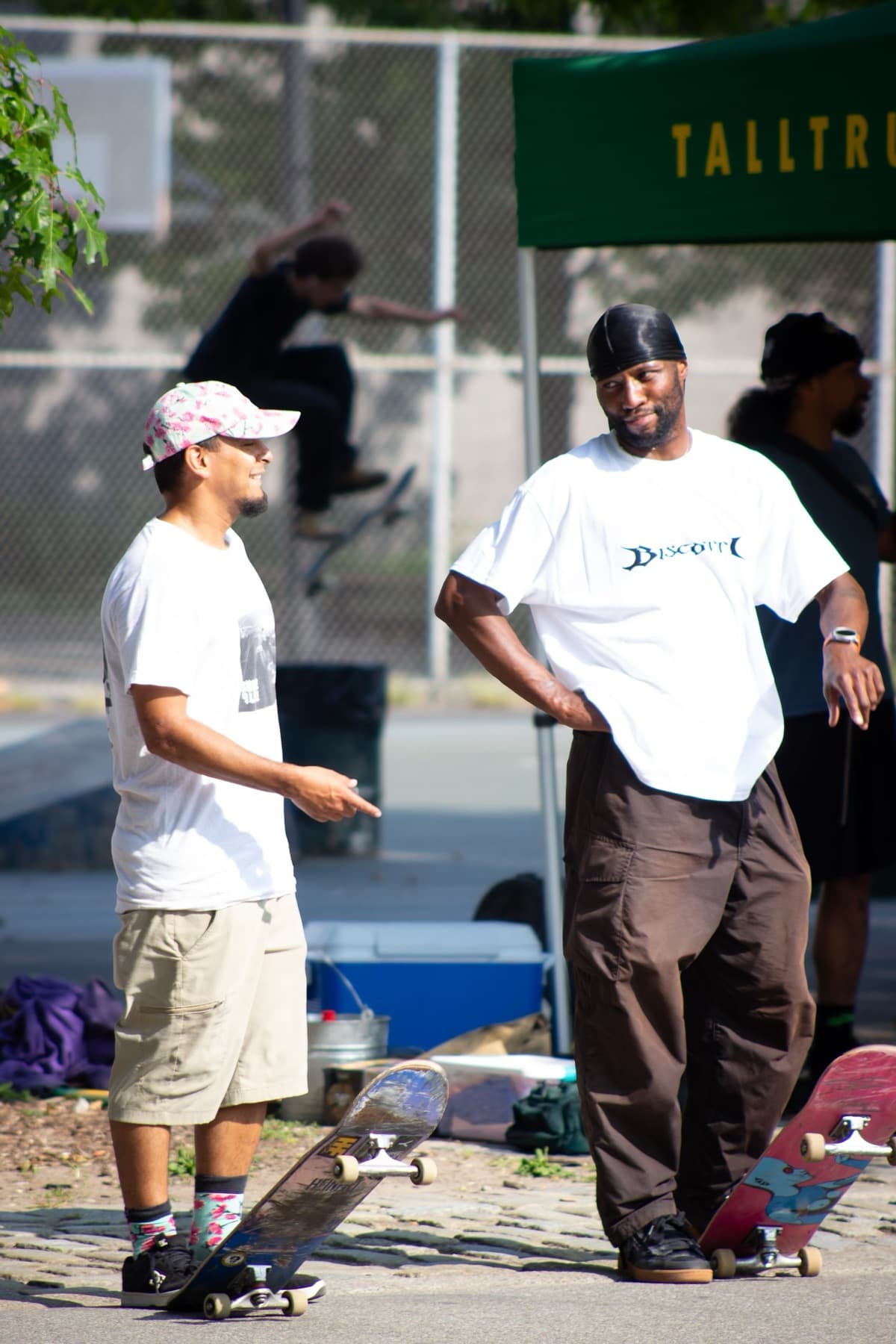
This is the question I get asked more than any other. And I get it. I taught myself. I started skating at five years old inthe Bronx. There were no lessons, no YouTube tutorials, no coaches. Just older kids at the park and a lot of falling down.
So the short answer is yes, you can absolutely teach yourself to skateboard. But the longer answer, the one I wish someone had told me, is that doing it alone takes longer, hurts more, and builds habits that are really hard to undo later.
What can you learn on your own in skateboarding?
Quite a bit, honestly. Most people can learn to stand on a board, push, and cruise on flat ground without any help. The basics of balance and motion are intuitive enough that your body figures them out through repetition. Where self-teaching falls short is form—the habits you build alone are often the ones an instructor has to fix later.
If you’re reasonably coordinated and patient, you can figure out the basics solo. Standing on the board. Pushing. Getting a feel for how the board moves under you. I wrote a beginner’s guide that covers all the fundamentals. YouTube has a million tutorials on this stuff too, and some of them are genuinely great.
The problem isn’t getting on the board. The problem is what you can’t see about yourself while you’re on it.
What are the risks of teaching yourself to skateboard?
The biggest risk isn’t injury—it’s invisible bad habits. Research on motor learning shows that incorrect movement patterns become “cemented” after roughly 300 repetitions, making them significantly harder to correct. Self-taught skaters often lock in poor foot placement, weight distribution, and pushing technique without realizing it until progress stalls.
Here’s what I see constantly with self-taught skaters who come to me after months of practicing alone: their weight is too far back. Their front foot is in the wrong spot. They’re pushing mongo (with their front foot instead of their back foot). They’ve developed a fear response that makes them lean away from the direction they’re going, which is more dangerous, not less.
None of these are things you can spot by watching yourself. A video of yourself helps, but you still don’t know what you’re looking for. That’s the gap. An instructor sees it in the first thirty seconds and gives you the one adjustment that changes everything.
Can you learn skateboarding from YouTube?
YouTube is a solid supplement, not a replacement. Video tutorials are great for understanding what a trick looks like, but they can’t see what your body is doing wrong in real time. A 2022 sports coaching study found that real-time corrective feedback improved skill acquisition rates by up to 40% compared to video-only learning. Watching is step one—coaching is what closes the gap.
I’m not anti-YouTube. I think watching skate videos is one of the best things you can do. It gets you hyped, it shows you what’s possible, it exposes you to different styles. But a tutorial is generic. It’s made for everyone, which means it’s made for no one in particular.
Every person who steps on a board has a different body, different balance points, different fears, different strengths. A 6’2” former basketball player and a 5’4” person who’s never played a sport in their life need completely different coaching. YouTube can’t give you that. An instructor can.
Want to try it yourself?
Book a private lesson with Leon. NYC and Westchester, all ages and skill levels.
When should you get skateboard lessons instead of self-teaching?
Right at the start, and again whenever you hit a wall. Most of my students build a solid foundation in three to five sessions—enough to practice confidently on their own. The second sweet spot is plateaus: when the ollie won’t click, when dropping in feels impossible, or when you’ve been cruising for months but don’t know what’s next. One targeted session can unlock weeks of stalled progress.
My honest recommendation: take a few lessons at the beginning. Not forever. Just enough to get your foundation right. Most people need three to five sessions to feel solid on the board with good habits instead of bad ones. After that, you have the tools to practice on your own and keep progressing.
Think of it like learning to drive. Could you technically figure it out yourself in an empty parking lot? Sure. But a few hours with someone who knows what they’re doing saves you from developing dangerous habits, and you get where you want to go way faster.
The other time to come back for lessons is when you hit a plateau. You’ve been trying to ollie for two months and it’s not clicking. You want to start skating bowls but dropping in terrifies you. You feel comfortable cruising but don’t know what to learn next. Those are the moments where one session with the right person saves you weeks of spinning your wheels.
What matters most when learning to skateboard?
Consistency beats everything. Studies on deliberate practice show that regular, focused sessions—even short ones—build muscle memory faster than occasional long ones. Whether you’re self-taught or working with a coach, the skaters who progress fastest are the ones who show up repeatedly, not the ones who are naturally gifted.
Whether you teach yourself or take lessons, the thing that determines how far you go is consistency. I’ve seen talented people quit after a month and people with zero natural ability become incredible skaters because they showed up every day. Skateboarding rewards persistence more than talent. Every single time.
If you’re thinking about it, just start. Grab a board, find some smooth flat ground, and see how it feels. And if you want to skip the months of bad habits and get to the good stuff faster, that’s what I’m here for.
Frequently Asked Questions
Can I teach myself to skateboard?+
Yes, but self-taught skaters commonly develop bad habits with foot placement, posture, and balance that become harder to fix over time. A few lessons early on can save months of frustration.
Is it better to learn from YouTube or an instructor?+
YouTube is great for visual reference, but it can't correct your form in real time. An instructor sees what you're doing wrong instantly and gives feedback specific to your body and comfort level. The best approach is both.
How many lessons do beginners need?+
Most beginners see major progress in 3-5 lessons. After that foundation, many feel confident enough to practice on their own and come back for specific skills.
How long does it take to learn to skateboard?+
Most people can ride comfortably within 2-4 sessions. Basic tricks take a few weeks. An ollie typically takes 1-3 months. Consistency matters more than talent.
What should I learn first?+
Start with your natural stance (regular or goofy), then balance, push, and stop safely. From there, turning and kick turns. Master the fundamentals before tricks.
Skip the guesswork
Personalized skateboard lessons in NYC. Get your foundation right from the start. No experience needed.
Book a Lesson