5 Things I Wish Someone Told Me Before My First Skateboard Lesson
After 20+ years of teaching, these are the things I see trip people up the most, and none of them have to do with balance.
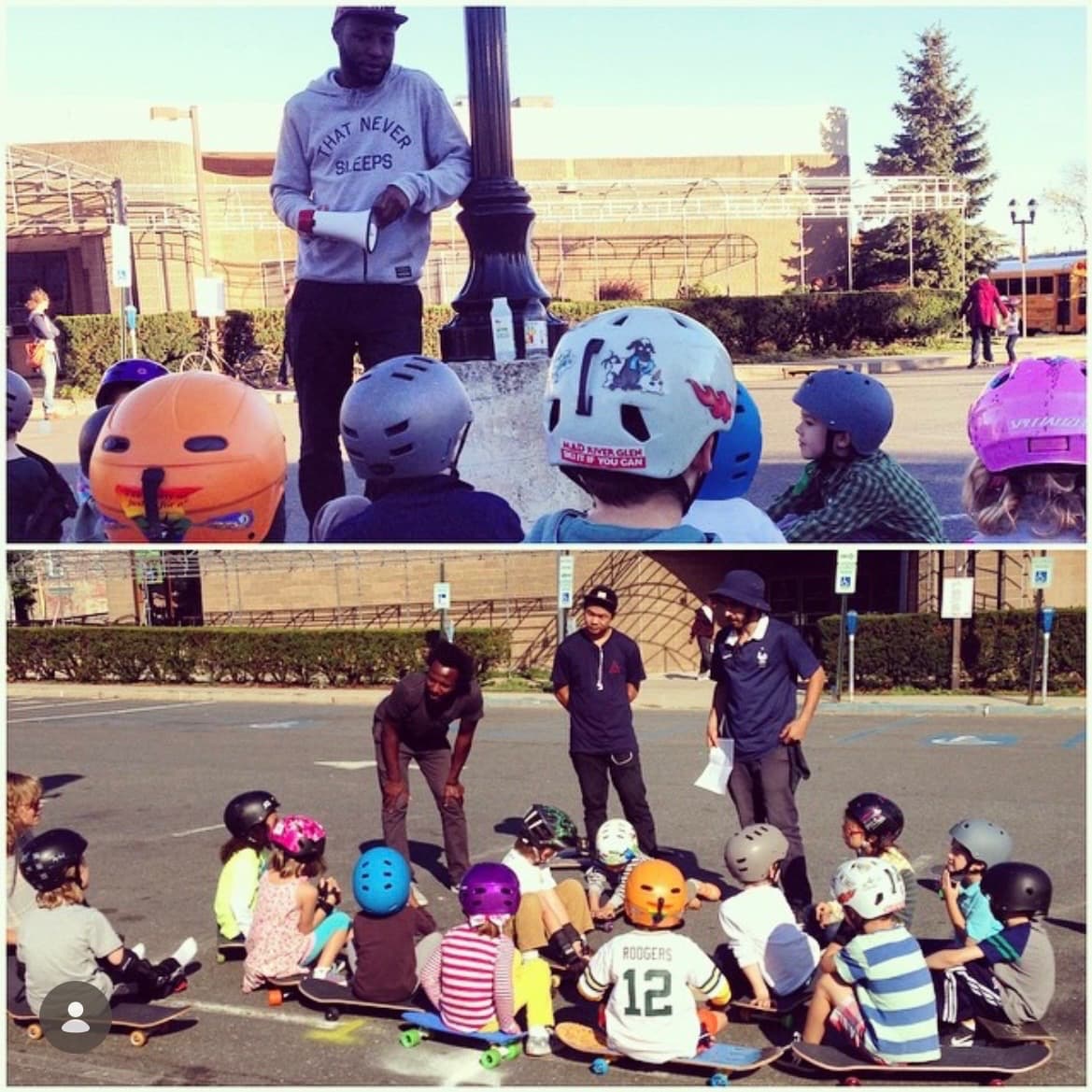
I’ve taught hundreds of first lessons. Parents. Kids. Finance professionals. Artists. People who swore they had “no coordination.” And almost every single one of them showed up with the same set of fears and assumptions, most of which were wrong.
Here’s what I’d tell myself if I could go back to my first day.
1. Do you need to be athletic to learn skateboarding?
No. Skateboarding relies on body awareness, not athleticism. It’s closer to learning a musical instrument than playing a team sport—you develop it through feel and repetition. If you can walk up a flight of stairs, you have enough coordination to start.
Seriously. Some of my best students have zero sports background. Skateboarding is more about body awareness than raw athleticism. It’s closer to learning a musical instrument than playing football. It’s a skill you develop through feel and repetition, not strength or speed.
If you can walk up stairs without thinking about it, you have enough coordination to skateboard. Your body already knows how to balance. We just need to remind it.
2. Will I fall during my first skateboard lesson?
Most beginners don’t fall much in a private lesson because we progress at your pace. I teach safe falling technique in the first five minutes—how to roll, how to distribute impact—so even when a fall happens, it’s controlled. The right protective gear handles the rest.
This is the one that gets adults the most. We’re conditioned to avoid failure. But in skateboarding, falling is just data. It tells you what to adjust. The board went left? Your weight was too far back. You slipped off? Foot placement needs tweaking.
I teach safe falling technique in the first five minutes of every beginner lesson. Once you know how to fall properly, how to roll and how to distribute impact, the fear drops significantly. The right protective gear takes care of the rest. Most beginners don’t fall much at all in a private lesson because we progress at your pace.
3. What should you wear to a skateboard lesson?
Flat-soled shoes are the single most important gear choice. Running shoes with thick cushioned soles make it harder to feel the board beneath you. Vans, Converse, or Adidas Superstars all work. Wear clothes you can move in, and bring a layer—you’ll warm up faster than you expect.
Flat-soled shoes. That’s the single most important gear decision for your first lesson. Running shoes with thick, cushioned soles make it harder to feel the board. Vans, Converse, Adidas Superstars, anything with a thin, flat sole works.
Wear clothes you can move in. Nothing too baggy that could catch on the board, nothing too tight that limits your range of motion. And bring layers. You’ll warm up faster than you expect.
Want to try it yourself?
Book a private lesson with Leon. NYC and Westchester, all ages and skill levels.
4. How fast will I learn to skateboard?
Most people can cruise comfortably after one to three sessions and feel genuinely confident after three to five. But progress isn’t a straight line—your brain is building new neural pathways, and sometimes it needs to reset before it levels up. Consistency matters more than talent.
You might feel great in lesson one and wobbly in lesson two. That’s normal. Your brain is building new neural pathways, and sometimes it needs to “reset” before it can level up. I’ve seen students struggle for three sessions and then suddenly everything clicks in session four.
The students who progress fastest aren’t the most talented. They’re the ones who show up consistently and stay patient with themselves. Skateboarding will teach you that patience whether you want it to or not.
5. Does having a skateboard instructor make a difference?
A huge one. A good instructor spots the small adjustments—two inches on your back foot, a slight shift in weight—that tutorials can’t see. They also keep you safe and motivated when your brain is telling you to quit. That real-time feedback is what separates slow progress from fast breakthroughs.
YouTube tutorials can’t see your stance. They can’t tell you that your back foot is two inches too far forward. They can’t adjust the lesson in real time based on what your body is telling them.
A good instructor spots the small things that make a huge difference. They also keep you safe and keep you motivated when your brain is telling you to quit. I’ve been doing this for over 20 years because I genuinely love watching the moment it clicks for someone. That first real push, that first turn, that first time they realize they’re riding.
The best thing you can do before your first lesson? Just show up. That’s it. Show up with an open mind and comfortable shoes. I’ll handle the rest.
Frequently asked questions
Do I need to be athletic to learn to skateboard?+
No. Skateboarding is more about body awareness than raw athleticism. It is closer to learning a musical instrument than playing football — a skill you develop through feel and repetition, not strength or speed.
What should I wear to my first skateboard lesson?+
Wear flat-soled shoes like Vans, Converse, or Adidas Superstars. Avoid running shoes with thick cushioned soles. Wear clothes you can move in and bring layers.
Will I fall during my first skateboard lesson?+
Most beginners don’t fall much in a private lesson because you progress at your own pace. Safe falling technique is taught in the first five minutes of every beginner lesson.
How long does it take to learn to skateboard?+
Progress is not linear. You might feel great in lesson one and wobbly in lesson two. Most people can cruise comfortably after 1 to 3 sessions and feel genuinely confident after 3 to 5.
Free Guide
5 Things to Know Before Your First Lesson
What to wear, what to expect, and how to make the most of your first hour on a board.
Ready for your first lesson?
Private lessons in NYC, Westchester, and the tri-state area. All ages, all levels. No experience needed.
Book a Lesson