Indoor Skateboard Lessons NYC & Westchester: Where to Skate When It’s Cold
Cold weather doesn’t end the season. Here’s how I keep lessons going through fall and winter—and why the off-season might be the best time to start.
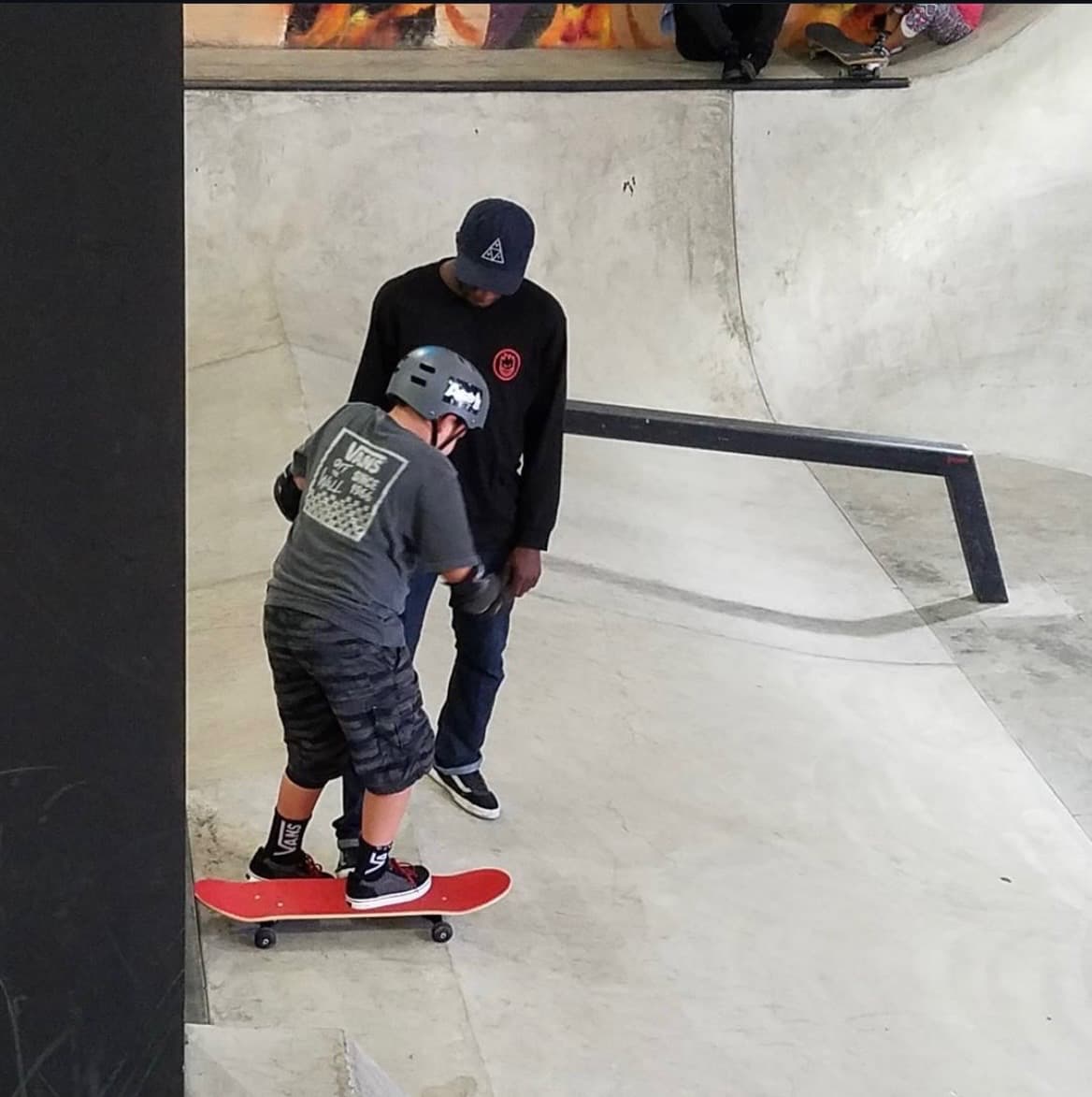
Every year around October I start getting the same question: “Do you stop teaching when it gets cold?” The short answer is no. I teach year-round. I’ve been doing this for over 20 years, and winter has never shut me down. The season changes, the approach adjusts, but the lessons keep going.
If you’re looking for indoor skateboard lessons in NYC or Westchester, or you just want to know how winter skating works, this is the honest breakdown. No gimmicks, just how I handle it.
Do Skateboard Lessons Stop in the Winter?
No. I teach year-round across NYC and Westchester. If the ground is dry and the temperature is above freezing, we skate outside. New York averages about 234 dry days per year, according to NOAA data, so there are more skateable winter days than most people assume. When conditions aren’t right, we move indoors or reschedule at no cost.
My rule is simple: if the ground is dry and the temperature is above freezing, we skate outside. That covers more days than people think. November through March in New York still gives you plenty of dry, cold-but-skateable days. You layer up, you warm up fast once you start moving, and the parks are practically empty. It’s some of the best skating of the year if you can handle a little cold air.
When it rains or snows, I reschedule at no cost. That’s just how it works. Nobody benefits from skating on wet ground—it’s dangerous and it ruins your bearings. So we pick another day. I don’t charge cancellation fees for weather. If the conditions aren’t right, we wait for conditions that are.
Where Can You Take Indoor Skateboard Lessons Near NYC?
2nd Nature Indoor Skatepark in Westchester is my go-to for winter lessons. It’s a full climate-controlled facility with ramps, rails, and flat ground—everything you need regardless of what’s happening outside. Indoor skateparks have grown roughly 40% nationwide over the past decade, giving year-round skaters more options than ever. I run private and group sessions there at the same rates as outdoor lessons.
For the coldest stretches—those weeks in January and February when it’s 20 degrees and the wind is brutal—indoor parks are the move. 2nd Nature Indoor Skatepark in Westchester is where I take students when outdoor skating isn’t realistic. It’s a full indoor setup with ramps, rails, and flat ground, all climate-controlled. You show up in a t-shirt and skate like it’s June.
Indoor parks are great for focused skill work. There are no distractions—no wind, no sun in your eyes, no waiting for a section of the park to clear out. The lighting is consistent, the ground is predictable, and you can drill the same trick over and over without any of the variables that outdoor skating throws at you. For beginners working on balance and pushing, or intermediate skaters trying to land something new, that controlled environment is a real advantage.
The pricing stays the same whether we’re indoors or outdoors. Private lessons are $120 per hour. Group sessions are $80 per person. I don’t add a surcharge for indoor park sessions.
Don’t wait for spring
Book a lesson with Leon. Indoor and outdoor options available year-round across NYC and Westchester.
What If There’s No Indoor Skatepark Nearby?
You don’t need a dedicated indoor park to keep skating through winter. Covered pavilions, parking structures with smooth concrete, and underpasses with flat ground all work. All a beginner really needs is about 20 feet of flat, dry surface to practice pushing, turning, and stopping. I’ve taught hundreds of lessons in spots like these over the years.
Not every cold-weather session needs to be at an indoor park. There are covered areas and sheltered spots around the city that block wind and stay dry even when it’s drizzling. Parking garages with smooth concrete, covered pavilions near parks, and underpasses with flat ground all work in a pinch. I’ve taught lessons in spots like these for years. They’re not glamorous, but they get the job done when the weather is borderline.
The key is flat, smooth, dry ground. That’s all you really need to work on fundamentals. You don’t need a full skatepark to learn how to push, turn, stop, and build confidence on the board. Some of my best beginner lessons have happened in the most ordinary locations.
Is Winter a Good Time to Start Skateboarding?
It’s one of the best times. NYC skateparks that draw 50 or more skaters on a summer afternoon often have fewer than five in January. That means more space, zero audience pressure, and my full attention. According to the Skatepark Project, the U.S. now has over 3,500 public skateparks—and off-season access at nearly all of them is wide open. My students who start in winter are usually ahead of the curve by spring.
This sounds counterintuitive, but hear me out. In the summer, popular skateparks in NYC are packed. You’re sharing space with dozens of skaters, waiting your turn, and navigating around people. In the winter, those same parks are nearly empty. You get the whole place to yourself. For a beginner, that’s huge. No audience, no pressure, no one zipping past you while you’re still figuring out how to stay on the board.
I wrote about this dynamic in my guide to your first lesson—a lot of beginners feel self-conscious at crowded parks. Winter solves that problem entirely. You also get my full, undivided attention because my schedule is less packed. Summer is my busiest season. If you start in the winter, you’ll have more flexibility to pick times that work for you, and by the time spring hits, you’ll already have a solid foundation.
Think about it this way: learn in the winter, and by summer you’re the one cruising through the park while everyone else is just getting started. That head start matters.
What Should You Wear for a Skateboard Lesson in Cold Weather?
Layer up and plan to strip down. Skateboarding burns roughly 300–500 calories per hour depending on intensity, so you heat up fast. Start with a moisture-wicking base, add a hoodie or fleece, and top it with a windproof jacket you can unzip. Flat-soled shoes are non-negotiable in any season. Thin grip gloves, a beanie, and thick socks round it out.
Layers are everything. You want to start warm and be able to strip down as you heat up, because you will heat up. Skateboarding is a full-body workout—I’ve written about why it’s such good exercise—and after 15 minutes of pushing and practicing, you’ll be generating plenty of heat.
Here’s what I tell my students: Start with a moisture-wicking base layer so sweat doesn’t sit on your skin. Add a hoodie or fleece for insulation. Top it with a windproof jacket you can unzip or take off. For your legs, joggers or slim-fit pants that don’t restrict movement. A beanie keeps your head warm, and thin gloves with grip let you catch yourself if you fall without losing control of your hands.
Shoes matter just as much in winter. You still need flat soles—no exceptions. Check out my guide to skateboarding shoes for specifics. Avoid anything with a tall heel or chunky sole. Thick wool socks in a flat-soled shoe is the best combo for cold days. Your feet are your connection to the board. Keep them warm, keep them flat.
What Are the Best Tips for Skating in Cold Weather?
Cold muscles are injury-prone muscles. A study in the British Journal of Sports Medicine found that warming up before physical activity reduces injury risk by up to 50%. Jog in place, stretch your ankles, and check the ground for invisible frost before stepping on the board. Store your skateboard indoors overnight so the wheels and bearings roll smoothly from the first push.
- •Warm up your body before stepping on the board. Jog in place, do some jumping jacks, stretch your ankles. Cold muscles and cold joints are more injury-prone.
- •Check the ground for frost or ice before you start. Even a thin layer of frost on concrete is invisible and dangerous. If the surface looks wet but it hasn’t rained, that’s frost. Wait for it to burn off.
- •Keep your board indoors overnight. Wheels and bearings perform worse when they’re cold. A warm board rolls smoother.
- •Shorten your sessions. Sixty focused minutes in 35-degree weather beats two sloppy hours. Quality over quantity.
Skateboarding doesn’t have a season, not really. It has weather, and weather is something you work around, not something that stops you. I’ve taught through every kind of New York winter. We figure it out. Indoor parks, sheltered spots, cold but dry days at Westchester parks—there’s always a way to keep rolling.
If you’ve been putting off learning because you think it’s too late in the year, it’s not. The best time to start is whenever you decide to start. And honestly, the off-season gives you advantages that summer can’t. Book a lesson and let’s find the right setup for you, rain or shine, hot or cold.
Browse all skating tips or check out lesson options and pricing.
FAQ
Common Questions
Book a winter lesson
Private skateboard lessons across NYC and Westchester, year-round. Indoor and outdoor options. All ages, all levels.
Book a Lesson