Best After-School Activities in Westchester County NY for Kids
I teach kids after school every day across Westchester. Here’s what parents are choosing, what’s working, and how to figure out what fits your kid.
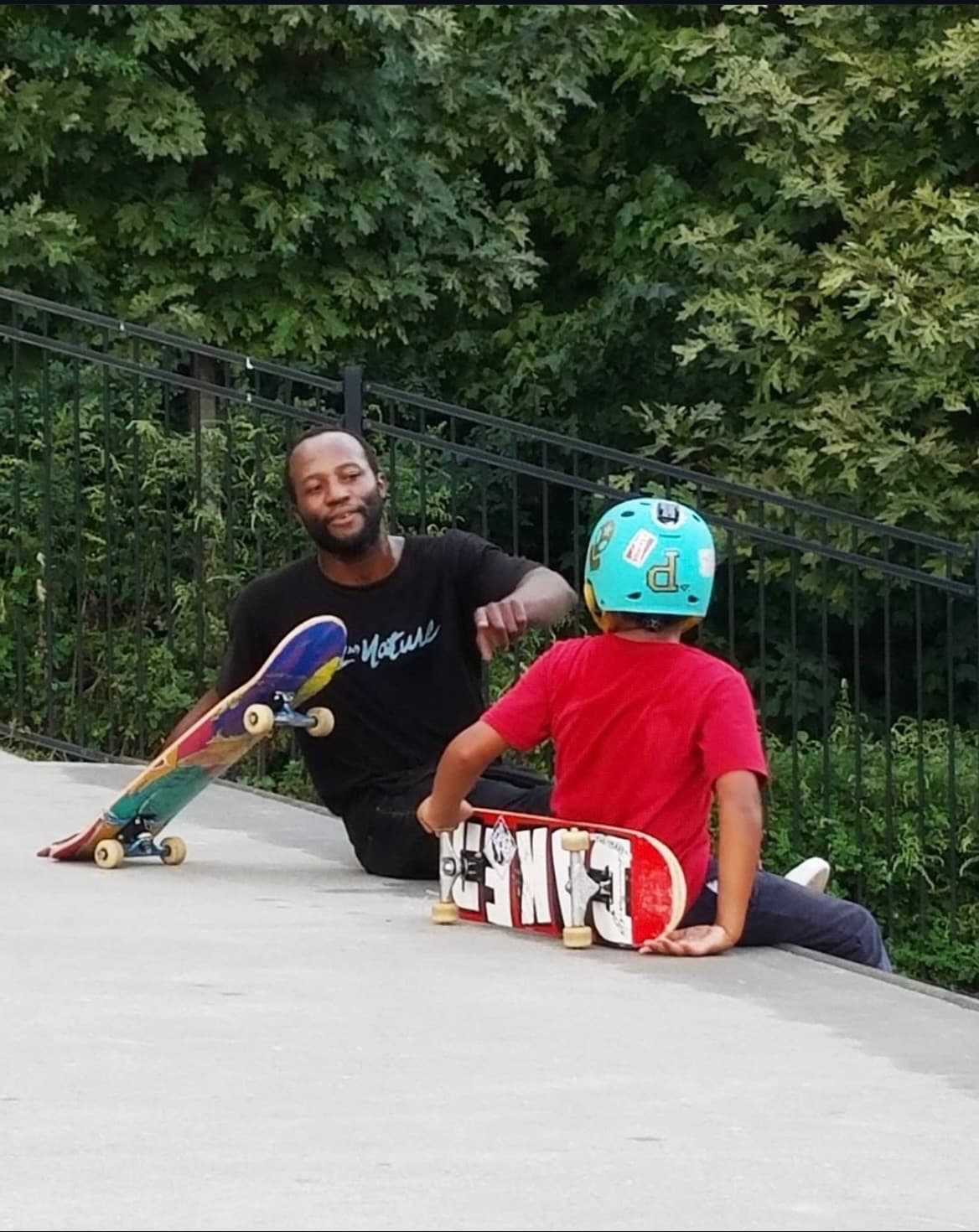
Three o’clock hits and Westchester turns into a logistics operation. Parents are racing between pickups, snack runs, and drop-offs. Everybody’s trying to fill the same three-hour window before dinner, and everybody’s weighing the same question: is my kid doing the right thing with their time?
I see this every day because I teach skateboarding after school. Most of my lesson requests come in for that 3:30 to 5:30 window. Parents book me between piano and dinner, or after the school bus but before homework. I hear a lot about what other activities their kids are doing, what they dropped, what they’re considering. I hear what’s working and what isn’t. After twenty-plus years of teaching kids across Westchester County, I have a pretty good read on the after-school world here.
This isn’t a ranked list. Every kid is different and what works for one will bore another to tears. What I can offer is an honest look at the options parents in this area are choosing, based on what I hear from families I work with every week.
Are Music Lessons a Good After-School Activity for Kids?
Music is one of the most popular after-school choices in Westchester, and for good reason. Research from the National Endowment for the Arts shows that kids who study music are more likely to perform well academically. But popularity doesn’t mean it’s right for every kid—the fit depends on your child’s temperament and what they need after a full school day.
Piano, guitar, violin, drums. Music is probably the most common after-school activity I hear about from the families I work with. Westchester has strong options here. Hoff-Barthelson Music School in Scarsdale has been around for decades. Music Conservatory of Westchester in White Plains is another solid one. There are plenty of independent teachers who come to the house, too.
Music works best for kids who can sit with something repetitive and build on it slowly. It’s structured. You practice the same piece over and over until you get it right, then you move to the next one. That suits certain personalities well. But I hear from a lot of parents whose kids started piano at six and quit by eight because it felt like homework after homework. If your kid is physical, if they need to move, if they zone out sitting in a chair for thirty minutes, music lessons might not be the best fit for their after-school slot. That doesn’t mean they won’t come back to it later.
Is Martial Arts Worth It for Kids After School?
Martial arts is one of the fastest-growing youth activities in the country. The Sports & Fitness Industry Association reported over 6.5 million kids participated in martial arts in 2023. It delivers on discipline and focus, and the belt system gives kids visible milestones. But the rigid structure that works for some kids drives others away.
Karate, taekwondo, jiu-jitsu. Martial arts is huge in Westchester. Tiger Schulmann’s has locations across the county. There are good independent dojos in White Plains, Mamaroneck, and New Rochelle. A lot of parents I talk to go this route because they want their kid to learn discipline and focus, and martial arts delivers on that.
The structure is clear. There’s a belt system, so kids can see their progress. The classes have rules and expectations, which gives some kids a sense of safety. For kids who need boundaries to feel comfortable, martial arts can be a good anchor. The flip side is that the formality turns some kids off. If your kid pushes back against being told exactly how to stand, exactly when to move, exactly where to look, the dojo might become another thing they resist. I know a few families where the kid loved the idea of karate but hated the class because it felt too rigid.
What About Art Programs and Maker Spaces for Kids?
Creative programs are gaining traction as parents recognize not every kid fits a traditional sports mold. A 2023 Americans for the Arts report found that kids in arts programs show stronger critical thinking and problem-solving skills. For kids who think differently—the builders, the doodlers, the pattern-makers—these programs can be where they finally feel understood.
Westchester has good options for creative kids. ArtsWestchester in White Plains runs youth programs. There are ceramics studios, maker spaces with 3D printers, and after-school art classes in most towns. Scarsdale and Larchmont both have programs that run semester-long workshops for elementary and middle school kids.
Art programs are underrated for kids who think differently. The kid who doodles through class, the one who builds things out of cardboard at home, the one who spends an hour arranging rocks in the backyard into patterns. These kids light up in a maker space because someone finally told them that the thing they do naturally counts. I see the same dynamic with skateboarding. A kid who never felt like they fit the mold of a “sport kid” finds something where their particular brain works in their favor.
Should My Kid Do Coding or Robotics After School?
STEM programs are the fastest-growing category in after-school enrichment. The Bureau of Labor Statistics projects computing jobs will grow 15% through 2032, and parents are paying attention. Coding and robotics work well for analytical kids who like solving puzzles—but it’s another seated activity, which matters when your kid just sat through six hours of school.
This one is growing fast. I hear more parents mentioning coding programs every year. Code Ninjas, Snapology, and various STEM labs have set up in Westchester. Some school districts run their own after-school robotics clubs. The kids I meet who do coding tend to be analytical, patient, and interested in figuring out how things work. They like solving puzzles.
Coding is a sit-down activity though, and for some kids that’s the last thing they need at 3:30 after sitting in a classroom all day. If your kid has energy to burn and you send them to a coding class right after school, they might be too restless to focus on it. Some families I know pair a physical activity first and then do coding on a different day. That seems to work better than stacking two seated activities back to back.
Is Dance a Good After-School Activity?
Dance gives kids something rare—a physical outlet that’s also creative. The National Dance Education Organization reports that dance improves coordination, spatial awareness, and emotional expression in children. It works for expressive, physical kids, but the recital schedule and studio commitments can be demanding for families already juggling a packed calendar.
Ballet, hip-hop, modern, contemporary. Dance is one of those activities that gives kids a physical outlet and a creative one at the same time. Steffi Nossen School of Dance in White Plains is well known and has been teaching kids in Westchester for a long time. There are hip-hop and contemporary studios scattered through the county too, plus programs at local rec centers that are more affordable than private studios.
Dance works for kids who are expressive and physical. It builds body awareness, coordination, and rhythm, and it gives kids a performance goal to work toward. But dance can also be demanding in the same way team sports are. Some studios have strict attendance policies, recital commitments, and costume fees that add up. For some families that structure is a plus. For others it starts to feel like another obligation in an already packed schedule.
Can Skateboarding Work as an After-School Activity?
Skateboarding works as an after-school activity because it’s physical, outdoor, and completely flexible. There’s no season, no bench time, and no mandatory tournaments. I teach private one-on-one lessons for kids ages three and up across Westchester—$120 per hour, no contracts. The kid is moving and learning for the full sixty minutes.
This is what I do, so I’ll be straightforward about it. I teach private skateboard lessons for kids ages three and up across Westchester County. One-on-one, outdoors, at local parks including Rye Skatepark. I bring the gear if they don’t have any. Lessons are $120 for an hour, and there’s no contract or multi-session commitment.
Skateboarding works as an after-school activity for a few specific reasons. It’s physical, so the kid is burning energy from the moment they step on the board. It’s outdoors, which matters after a full day inside a school building. There’s no bench time. In a group soccer practice, a kid might touch the ball for ten minutes out of a sixty-minute session. In a private skateboard lesson, the kid is moving and learning for the full hour.
The other thing that makes it work for a lot of families is the flexibility. There’s no season. No registration deadline. No mandatory weekend tournaments. If your kid has a busy week, you skip a week. If they want to go twice a week for a month because they’re working on something specific, we do that. It fits around the rest of their schedule instead of demanding the schedule be built around it.
I wrote about this more in my piece on kids who don’t like team sports. A lot of those kids end up in my lessons because skateboarding scratches an itch that organized sports never reached.
Are Team Sports Still the Best After-School Option?
Team sports are the default after-school choice in Westchester—and nationwide. But the Aspen Institute’s Project Play report found that 70% of kids drop out of organized sports by age 13, mostly because it stopped being fun. Team sports are great for social, competitive kids. For others, the pressure and politics can do more harm than good.
Soccer, basketball, lacrosse, baseball. These are the defaults in Westchester, and for good reason. Every town has a rec league. The schools run teams. The infrastructure is there and most parents grew up playing team sports themselves, so it’s the first thing they reach for.
Team sports are great for kids who are social, competitive, and responsive to coaching. If your kid likes being part of a group and feeds off that energy, team sports can give them something no individual activity can replace. There’s real value in learning to work with other people toward a shared goal, and some kids need that dynamic to stay motivated.
But team sports are also where I see the most burnout. The travel schedules, the early commitments to one sport year-round, the pressure to specialize by age nine or ten. I get a lot of my students from families where the kid was in travel soccer for two years and finally said they were done. That’s not a failure. That’s a kid telling you something about what they need. I wrote about that dynamic in my piece on kids who quit their sport.
How Do I Pick the Right After-School Activity for My Kid?
The single biggest factor in whether a kid sticks with an activity is whether they chose it themselves. The Aspen Institute found that kids who select their own activities are significantly more likely to stay engaged long-term. Watch what your kid gravitates toward on their own time—that tells you more than any program brochure.
I’ve watched parents approach this two ways, and the difference matters.
Some parents pick the activity first and then try to fit the kid into it. They decide their child should play lacrosse because lacrosse looks good on applications, or they sign up for piano because Aunt Linda played piano. The kid goes along with it for a while, then loses interest, and the parent wonders why nothing sticks. It doesn’t stick because it was never the kid’s choice. It was a plan made for them.
Other parents watch the kid first. They pay attention to what their child does when nobody is directing them. Does the kid go outside and move, or do they sit down and build something? Do they want to be around other kids, or are they happier working on their own? Do they like rules, or do they resist them? Those observations tell you more than any program brochure.
The kid who takes apart the remote control might love robotics. The kid who is always outside jumping off things might be a natural skateboarder. The kid who hums constantly and taps rhythms on the table might thrive in music. The match matters more than the activity itself. A kid in the right activity with an average program will get more out of it than a kid in the wrong activity at the best program in the county.
And don’t be afraid to let them try things without committing to a whole season. One lesson, one class, one trial week. If the kid lights up, you found something. If they drag their feet going back, you didn’t. Both are useful information.
What Should My Kid Be Doing After School?
There’s no universal answer, because the best activity depends entirely on your kid. Not on what the neighbors are doing, not on what looks impressive on an application. The best after-school activity is the one where your kid forgets to check the time—where they come home talking about it without being asked.
Every parent in Westchester is asking the same thing at 3pm: what should my kid be doing right now? And the honest answer is that it depends entirely on the kid. Not on what the neighbors are doing. Not on what looks best. Not on what you wish you had done at their age.
The best after-school activity is the one where your kid forgets to check the time. Where you pick them up and they’re not ready to leave. Where they talk about it at dinner without being asked. That might be piano. It might be jiu-jitsu. It might be coding. It might be a skateboard.
If you want to see whether skateboarding is that thing, try one lesson. I work with kids as young as three, I bring the gear, and I teach across Westchester. Check out kids’ lesson details or go ahead and book a session.
Frequently Asked Questions
What after-school activities are available in Westchester?+
Westchester County has a wide range of after-school options for kids including music lessons, martial arts, art and maker programs, coding and robotics, dance, skateboarding, and team sports. Programs are available in White Plains, Scarsdale, New Rochelle, Rye, and throughout the county.
How do I know which activity is right for my kid?+
Watch what your kid does on their own time. Kids who are always building things may enjoy maker spaces or coding. Kids with physical energy might thrive in martial arts, dance, or skateboarding. Kids who are social and competitive often do well in team sports. The best activity is the one your kid asks to go back to after the first session.
What age can kids start after-school activities?+
Most programs accept kids starting around age 4-5. Music lessons often begin at 5-6. Martial arts and dance can start as young as 3-4. Skateboarding lessons are available for kids as young as 3. Coding and robotics programs typically start around 6-7.
How much do after-school programs cost in Westchester?+
Costs vary by activity. Group classes for music, martial arts, or dance typically run $150-$300 per month. Private music lessons range from $60-$100 per session. Coding programs run $200-$400 for multi-week sessions. Private skateboard lessons with Leon Toppin are $120 per hour with no long-term commitment.
Can my kid try skateboarding as an after-school activity?+
Yes. Skateboarding is a flexible after-school option because lessons are private, one-on-one, and held outdoors at local parks. There is no season or semester to commit to. Leon Toppin teaches kids ages 3 and up across Westchester, including at Rye Skatepark and parks throughout the county.
Thinking about skateboarding?
One after-school lesson is enough to know if it’s the right fit. I bring the gear and meet you at a local park.
Book a Lesson