Why Kids Who Don’t Like Team Sports Love Skateboarding
If your kid has tried the team-sport thing and it’s not working, you’re not alone. And skateboarding might be the answer.
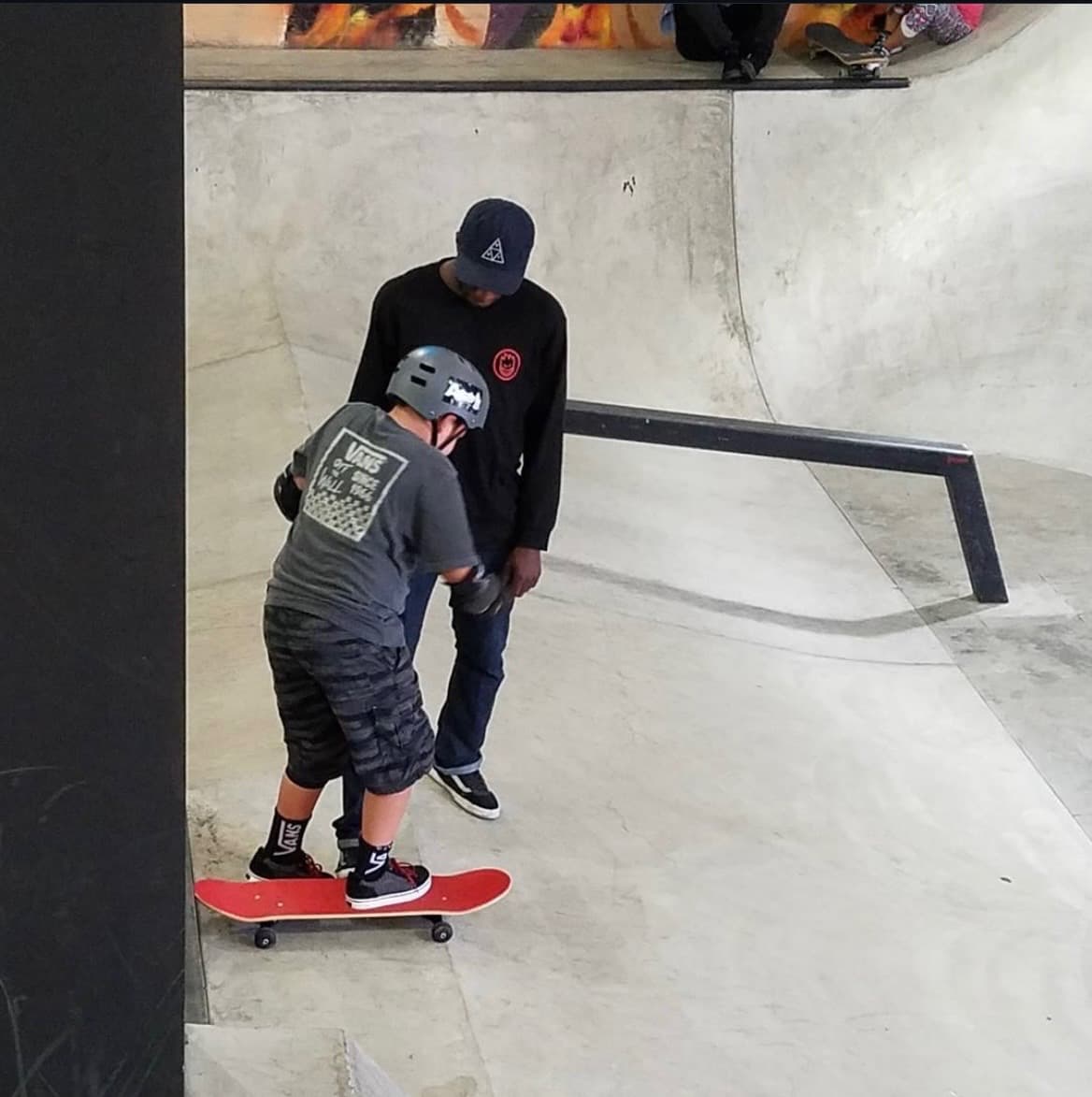
I hear some version of this almost every week: “My kid tried soccer. Tried baseball. Tried basketball. Hated all of it. But they won’t stop riding their skateboard around the driveway.”
That conversation usually ends with the parent asking if I think skateboard lessons would work for their kid. The answer is almost always yes. Not because skateboarding is for everyone, but because the kids who don’t fit the team-sport mold tend to be exactly the kids who take to skating.
There are real reasons why, and they go deeper than “it’s just a different activity.”
No Bench, No Cuts, No Tryouts
Team sports have a built-in hierarchy. Somebody starts, somebody sits. Somebody makes the team, somebody doesn’t. There’s a coach deciding who plays and for how long, and if you’re not the fastest or the most coordinated kid out there, you feel it. Kids internalize that stuff fast.
Skateboarding has none of that. You show up, you skate. There’s no one deciding whether you’re good enough to participate. Every lesson, every session at the park, you’re on the board. You don’t have to earn your spot. You already have it.
For a kid who’s been told they’re not athletic enough, or who spent a whole soccer season standing in the back of the field hoping the ball wouldn’t come to them, that matters more than most adults realize.
Progress Is Personal
In team sports, success and failure are shared. You win together, you lose together. That sounds nice in theory, but for a lot of kids it means their mistakes are public, and their wins belong to the group. A kid who strikes out in the ninth inning carries that. A kid who scores a goal shares it with the whole team.
Skateboarding flips that. When you land a trick you’ve been working on for three weeks, that’s yours. Nobody else did it for you. Nobody else can take credit. And when you fall, it’s not because you let anyone down. You just didn’t get it yet. You try again tomorrow.
Kids who struggle with the social pressure of team performance tend to open up when progress becomes personal. I’ve watched quiet, hesitant kids turn into the most determined students I’ve ever taught once they realized nobody was grading them, and nobody was watching the clock.
Creative Expression Built In
Skateboarding isn’t just athletic. It’s creative. Two skaters at the same skill level can look completely different on a board. One might be smooth and flowing, another might be technical and precise. There’s no correct way to do it. There’s no playbook.
Kids who are drawn to art, music, or building things tend to gravitate toward skateboarding because there’s room to make it their own. They pick their spots, choose their tricks, develop their style. One of my students spent an entire session working on manuals because she thought they looked cool. She didn’t care that kickflips are “harder.” She wanted to do the thing that felt like her.
You don’t get that in a sport with set plays and a coach calling formations.
The Community Is Different
Skate culture is built on encouragement. At a skatepark, when someone lands something new, people cheer. Not just their friends. Strangers. Adults will stop what they’re doing to clap for a ten-year-old who just learned to drop in. There’s no opposing team. Nobody’s trying to beat you.
Kids who feel alienated by the competitive intensity of organized sports often find their people at the park. The social dynamic is different. You’re not put on a team with kids you may or may not get along with. You naturally fall in with people who skate at your level, who are working on similar things, who get excited about the same stuff you do. It’s organic. And for a lot of kids, that’s the first time a physical activity has come with a social group that actually feels good.
I wrote more about the connection between skateboarding and ADHD and neurodiversity in another post. A lot of the kids who don’t fit the team-sport mold are neurodiverse, and the skate community tends to be a place where that’s not a problem.
It Still Builds the Things Parents Care About
Parents sometimes worry that if their kid isn’t in an organized sport, they’re missing out on the life skills that come with it. Discipline. Persistence. Physical fitness. Handling failure.
Skateboarding builds all of that. The path is just different. Learning to skateboard requires serious discipline. You don’t land a kickflip the first time you try. Or the tenth. You fall, you get back on, you adjust, you try again. That cycle of failure and persistence is the same thing coaches are trying to teach in team sports, but in skateboarding it happens naturally, every single session.
There’s also risk assessment. Kids learn to read their environment, gauge what they’re ready for, and make real decisions about their own safety. They develop body awareness and confidence. And they get exercise without it feeling like exercise, which for some kids is the only way it actually sticks.
Let Them Try It
If your kid has been asking about skateboarding, let them go for it. One lesson is usually enough to know whether it’s their thing. And if you want more detail on what to expect, I wrote a full parent’s guide to kids’ skateboard lessons that covers gear, safety, ages, and how lessons actually work.
You can check out kids’ lesson options or go ahead and book a session. I’ll take it from there.
Frequently Asked Questions
Is skateboarding a good alternative to team sports for kids?+
Yes. Skateboarding builds discipline, fitness, confidence, and persistence without the tryouts, bench time, or competitive pressure of team sports. It's self-paced and individually driven, which works well for kids who don't respond to the team structure.
What age should kids start skateboarding?+
Most kids can start structured lessons around age 5-6. Kids as young as 3-4 can get comfortable on a board with close supervision. There's no upper limit — plenty of kids start at 10 or 12.
Is skateboarding safe for kids who haven't done sports before?+
With proper safety gear and qualified instruction, yes. A good instructor teaches falling technique first and starts on flat ground. Kids new to sports often do well because they don't have bad habits to unlearn.
How do skateboard lessons work for kids?+
Lessons are typically one-on-one or in small groups. The instructor covers stance, balance, pushing, stopping, and safe falling, then progresses at each kid's pace. Most kids are riding on their own by the end of the first session.
Can shy or introverted kids do well with skateboarding?+
Absolutely. Skateboarding doesn't require group coordination or constant social interaction. Shy kids can practice at their own pace, and the skatepark community tends to be encouraging without being overwhelming.
Ready to get them started?
Personalized skateboard lessons for kids in NYC and Westchester. Patient instruction, proper safety gear, and zero pressure.
Book a Lesson