How to Find the Right Skateboard Instructor (and What to Watch Out For)
A practical guide to choosing someone who will teach you to skate, not just take your money.
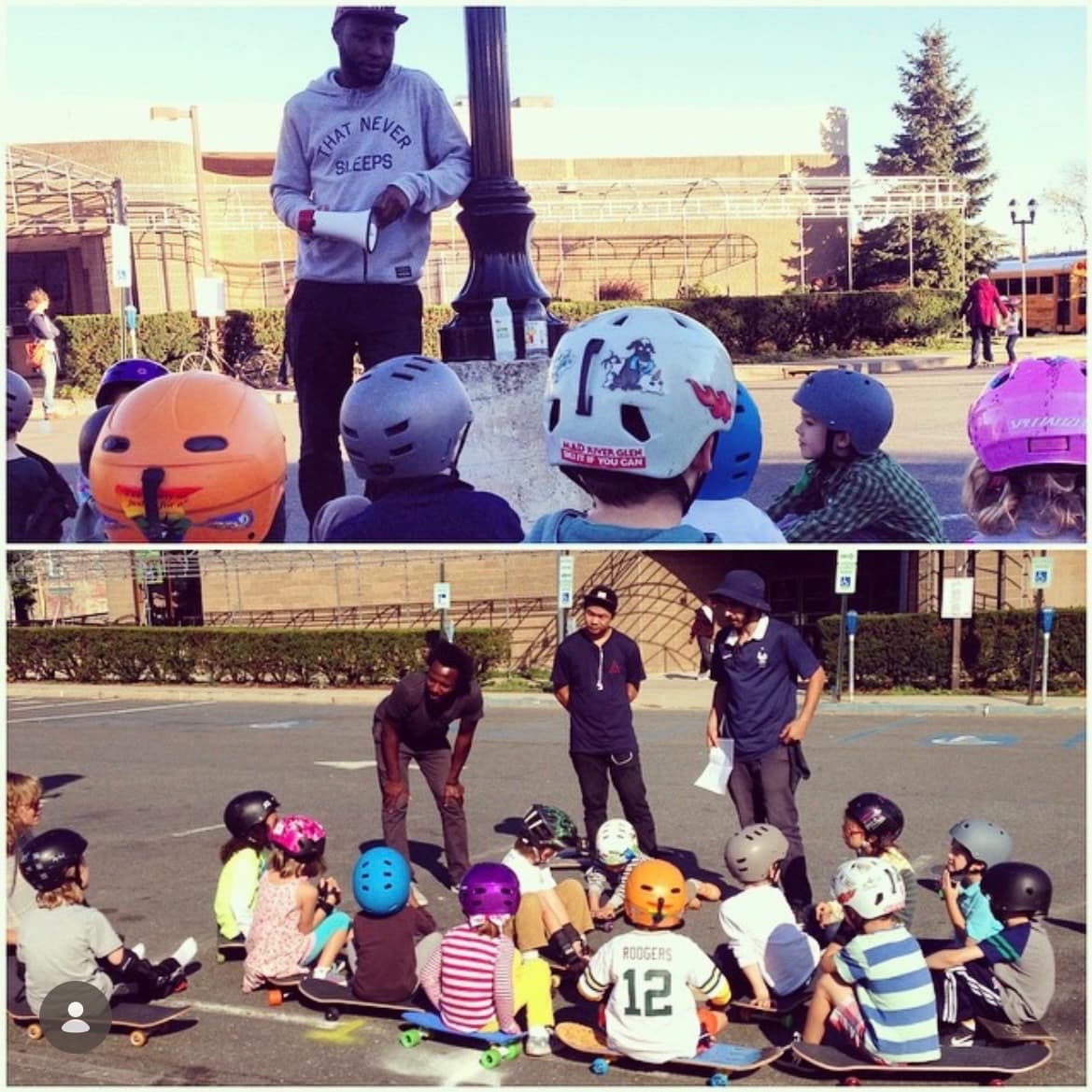
I get asked this a lot. Someone tells me they want to learn to skateboard, and they’ve been Googling “skateboard instructor NYC” for an hour, and now they’re more confused than when they started. There are skate schools, private instructors, group classes at parks, pop-up clinics. Some cost $40, some cost $200. How are you supposed to know what’s any good?
I’ve been teaching skateboarding in New York for over 20 years. I’m obviously biased, but I’m going to try to be genuinely useful here. This is what I’d tell a friend who was looking for an instructor and didn’t want to waste time or money figuring it out the hard way.
What should you look for in a skateboard instructor?
Teaching ability matters more than skating ability. Research on skill transfer shows that expert performers often struggle to break down what they do intuitively—so look for patience, adaptability, and experience teaching people at your level, not just someone with impressive trick footage.
Being a great skater and being a great teacher are completely different things. I’ve known incredible skaters who had no idea how to break down what they were doing for a beginner. And I’ve seen people who weren’t flashy on a board but could get a first-timer cruising within an hour.
The first thing you want is someone who can teach. That means they can explain things multiple ways until one of them clicks for you. Not everyone learns the same. Some people need verbal cues, some need physical demonstrations, some need to just try it and get feedback after. A good instructor reads you quickly and adjusts.
Patience matters more than anything else on this list. Skateboarding is frustrating, especially in the beginning. If your instructor seems annoyed when you don’t get something right away, that’s a problem. You’re paying them to be patient. That’s literally the job.
Experience teaching matters more than experience skating. Specifically, look for someone who has taught people like you. Teaching a 7-year-old is nothing like teaching a 40-year-old. Teaching someone who’s scared is nothing like teaching someone who’s reckless. Ask how long they’ve been teaching, not just how long they’ve been skating.
And adaptability. Plans are great, but a good instructor abandons the plan when it isn’t working. If you showed up wanting to learn kickflips but your pushing is shaky, a real teacher will redirect you to what you need, not just give you what you asked for because it’s easier.
What are red flags when hiring a skateboard instructor?
The biggest warning signs are skipping safety gear, having no lesson structure, and spending more time performing tricks than teaching you. The CDC reports that head injuries account for roughly 31% of skateboarding ER visits—any instructor who doesn’t prioritize helmets isn’t prioritizing you.
I’ve heard some stories from students who came to me after bad experiences elsewhere. A few things should make you walk away.
No safety gear. If an instructor doesn’t provide helmets (or at least strongly recommend them), they’re not serious about your safety. Especially for beginners. I don’t care how “uncool” helmets look. A head injury is a lot less cool. I have helmets and boards available for every lesson because I never want gear to be the reason someone doesn’t feel safe.
No plan for your session. “So, uh, what do you want to work on?” is not a lesson plan. A beginner doesn’t know what they need to work on. That’s the whole point of hiring an instructor. Your teacher should have a structure in mind and be able to tell you what you’re going to cover before you start.
They spend more time doing tricks than teaching you. This happens more than you’d think. Some people become “instructors” because they want an audience. If your teacher is skating around the park doing kickflips while you stand there watching, you’re not getting a lesson. You’re getting a performance.
Pushy upselling before you’ve even tried it. If someone is trying to lock you into a 10-session package during your first conversation, be skeptical. A confident instructor lets the quality of the lesson speak for itself. You should want to come back because you had a great experience, not because you pre-paid for a bundle you can’t refund.
One-size-fits-all approach. If the instructor gives the exact same lesson to every single student regardless of age, fitness level, or goals, they’re running an assembly line. Your lesson should feel like it was designed for you, because it should be.
Ready to find the right instructor?
Leon has been teaching skateboarding in NYC and Westchester for over 20 years — beginners through advanced, all ages.
Book a LessonShould I book private or group skateboard lessons in NYC?
Private lessons are best for absolute beginners and adults who feel self-conscious—you get the full hour of individual feedback instead of sharing it with six or eight other people. Once you can push, turn, and stop on your own, group classes add motivation and cost less per session.
This depends on where you are in your skating and what you want out of a lesson. I wrote a full comparison of private vs group lessons if you want the detailed breakdown.
Private lessons are better for absolute beginners. You need individual attention to get your stance right, to learn how to fall safely, to build that initial confidence. In a group class, the instructor is splitting their attention between 6 or 8 people. You might get five minutes of direct feedback in a full hour. That’s not enough when you’re starting from zero.
Private lessons are also better if you’re an adult who feels self-conscious. Nobody is watching you wobble. Nobody is landing tricks while you’re still figuring out which foot goes first. It’s just you and your instructor, and the pace is entirely yours. I teach a lot of private lessons across NYC for exactly this reason.
Group lessons make sense once you have some basics down. When you can push, turn, and stop on your own, being around other skaters at a similar level is motivating. You learn from watching each other. There’s an energy to it. Kids especially tend to push each other in a good way in groups.
Groups are also cheaper per hour, which matters. If budget is tight, starting with one or two private sessions to nail the fundamentals and then switching to group classes is a smart move.
Want to try it yourself?
Book a private lesson with Leon. NYC and Westchester, all ages and skill levels.
What questions should you ask a skateboard instructor before booking?
Ask how long they’ve been teaching (not just skating), whether they provide equipment, where the lesson happens, and what a typical first session covers. A confident instructor won’t mind these questions—they’ll welcome them, because it shows you’re serious.
You’re going to feel weird interrogating a skateboard instructor. Do it anyway. A good instructor won’t mind.
How long have you been teaching (not just skating)? There’s a big difference between “I’ve skated since I was 12” and “I’ve been teaching beginners for 10 years.”
Do you provide equipment? If you’re a beginner, you shouldn’t have to buy a board before your first lesson. Any decent instructor will have boards available. Helmets too.
Where do you teach? Location matters in NYC. A crowded skatepark is not ideal for a first lesson. Flat, smooth ground with some space is what you want. Ask where they plan to meet you.
What does a typical first lesson look like? If they can’t describe a clear structure for a beginner session, they probably don’t have one. It should include stance, pushing, stopping, turning, and safe falling, roughly in that order.
Do you have reviews? Check Google, Yelp, social media. Read what other beginners say, not what other skaters say. You want to hear from people who were in your position.
What’s your cancellation policy? Life happens. A reasonable policy is 24 hours notice. Anything more rigid than that and you should ask why.
How much do skateboard lessons cost in NYC?
Group lessons at NYC skate schools typically run $50 to $80 per person per hour, while private lessons from experienced instructors range from $100 to $200. Multi-session packages usually knock 10–15% off per lesson, but don’t buy one until you’ve tried a single session first.
I’m not going to pretend pricing isn’t a factor. This is what skateboard lessons cost in New York right now.
Group lessons at skate schools typically run $50 to $80 per person for an hour. Class sizes vary. Some cap at 6, some pack in 12 or more. Ask before you sign up.
Private lessons from experienced instructors range from $100 to $200 per hour. If you see someone charging $50 for a private lesson, ask yourself why. Maybe they’re just starting out, which is fine if you know that going in. But experienced instruction costs what it costs.
Multi-session packages often come with a discount per lesson. These can be a good deal if you’ve already taken a first lesson and liked the instructor. I wouldn’t buy a package before your first session, though. Try it first.
The cheapest option isn’t always the worst, and the most expensive isn’t always the best. An instructor who gets you comfortable on a board in three sessions is a better value than one who takes six sessions to cover the same ground, even if their hourly rate is higher.
Why choose Leon Toppin for skateboard lessons in NYC?
I’ve been skating for over 30 years and teaching for more than 20, working with everyone from nervous five-year-olds to adults in their 50s trying a board for the first time. Every lesson is designed for the individual—I bring the gear, adjust the plan on the fly, and teach across NYC and Westchester.
I’m not going to pretend this article is purely objective. I teach skateboard lessons in NYC and I’d love for you to book with me. But I wrote this because I think you should know what good instruction looks like before you spend money on it, whether that money goes to me or someone else.
I’ve been skating for over 30 years and teaching for more than 20. I can provide a board if you need one, and I encourage students to get their own to practice between sessions. I have a plan for every session but I’m willing to throw it out if something else is working better. I’ve taught kids, teenagers, adults in their 50s, people who are terrified, and people who are overconfident. If you’re a parent researching this, I wrote a parent’s guide to kids’ skateboard lessons that covers what to expect. Every student gets a lesson designed for them, not a script I’ve memorized.
If any of what I described above sounds like what you’re looking for, you can book a lesson here. No packages required. No pressure. Just one session, and you’ll know if it’s right for you.
A bad first lesson can put you off skateboarding entirely. A good one makes you want to come back the next week. Take your time choosing. And if you have questions before you book with anyone, you can always text me. I don’t mind helping even if you end up going with someone else.
Frequently asked questions
What should I look for in a skateboard instructor?+
Look for teaching experience, not just skating ability. A good instructor has patience, can explain things multiple ways, and adapts their approach based on how you learn.
How much do skateboard lessons cost in NYC?+
Group lessons typically run $50 to $80 per person per hour. Private lessons from experienced instructors range from $100 to $200 per hour. Multi-session packages usually include a per-lesson discount.
Should I take private or group skateboard lessons as a beginner?+
Private lessons are better for absolute beginners and adults who feel self-conscious. Group lessons make more sense once you have the basics and want the motivation of skating with others.
What are red flags when choosing a skateboard instructor?+
Watch out for instructors who skip safety gear, have no lesson plan, spend more time doing tricks than teaching, push you into multi-session packages before your first lesson, or give every student the same cookie-cutter approach.
Ready to try a lesson?
Private lessons in NYC, Westchester, and the tri-state area. All ages, all levels. Board available if needed.
Book a Lesson