Skateboarding at the 2028 Olympics: Why Now Is the Time to Start
Skateboarding is officially a permanent Olympic sport. Here’s why that matters for anyone thinking about picking up a board.
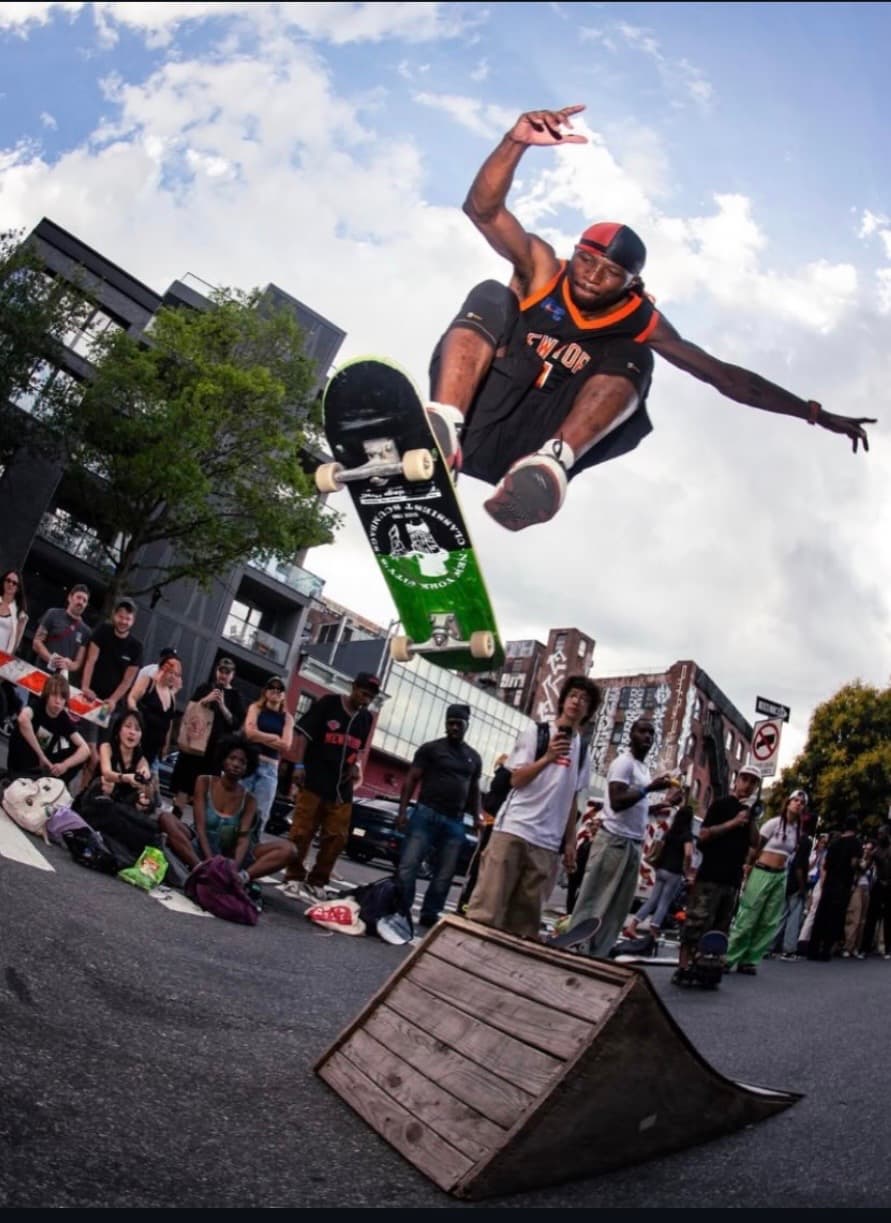
I started skating 33 years ago. Back then, nobody in my neighborhood looked at skateboarding and thought “Olympic sport.” Nobody’s parents were signing them up for skateboard camp. If anything, skateboarding was the thing your parents told you to stop doing. You got kicked out of spots. You got yelled at by security guards. You went home with ripped jeans and road rash and did it all again the next day because you loved it.
And now skateboarding is a permanent Olympic sport. Permanent. Not a trial run, not a one-time showcase. It will be in the LA 2028 games and every Summer Olympics after that. I have mixed feelings about it, honestly. Skateboarding has always been anti-establishment. That’s part of what drew me to it. The idea of judges scoring runs and nations competing for gold medals still feels a little strange to me.
But the more I sit with it, the more I think it’s a good thing. Because more people skating means more people experiencing what I’ve experienced my whole life. The freedom, the creativity, the community, the feeling of finally getting something you’ve been working on for weeks. If the Olympics are the door that gets more people to walk through, I’ll hold it open.
How has Olympic skateboarding changed the sport?
Olympic inclusion turned skateboarding from a subculture into a global youth sport almost overnight. After Tokyo 2020, skateboard sales spiked worldwide. After Paris 2024, where Japan took five golds and nine total medals, lesson enrollment surged again. Skateboarding is now a permanent Olympic discipline—not a trial, not a guest spot.
Skateboarding made its Olympic debut at the Tokyo 2020 Games (held in 2021). It was a test. The International Olympic Committee wanted to attract younger viewers and bring in sports that felt fresh. Skateboarding delivered. The broadcasts were some of the most-watched events of those games, and the athletes were unlike anything the Olympics had seen before. Thirteen-year-olds were winning gold medals.
Paris 2024 cemented skateboarding’s place. The events were packed, the performances were incredible, and the IOC saw exactly what they’d hoped for: millions of new fans tuning in. Japan dominated, winning five gold medals and nine total medals across street and park events. The average age of the women’s street competitors was 14. These are kids. Kids doing things on a skateboard that professional skaters a generation ago couldn’t have imagined.
For LA 2028, skateboarding is no longer optional for the host city. It’s a mandatory sport on the Olympic program. That’s a huge deal. It means skateboarding isn’t a guest anymore. It has a permanent seat at the table. And with the games happening in Los Angeles, the birthplace of modern street skating, the spotlight on this sport is going to be brighter than ever.
Why are parents interested in skateboarding because of the Olympics?
Parents watched 13-year-old Sky Brown win Olympic bronze and started asking a question they’d never considered: “Could my kid do that?” With LA 2028 less than two years out, families are signing kids up now to build a real foundation before the next wave of Olympic hype puts skateboarding back in every living room.
After every Olympics, there’s a spike in interest in whatever sports captured people’s attention. After Tokyo, skateboard sales jumped across the country. After Paris, enrollment in skateboarding programs went up significantly. I saw it firsthand. My phone started ringing more. Parents who had never thought about skateboarding were suddenly asking about lessons for their kids.
A big part of that is Sky Brown. She qualified for the British Olympic team at age 11 and won a bronze medal in Tokyo at 13. She came back and won bronze again in Paris at 16. Parents saw her and thought, “Could my kid do that?” And the honest answer is: your kid probably isn’t going to the Olympics. Almost nobody does. But that’s not the point. The point is that starting now gives your kid a two-year runway to build real skills before the LA games put skateboarding in every living room again. When that happens, they won’t be starting from zero. They’ll already be rolling.
And even outside of the Olympics, the skills your kid picks up from skating are real. Balance, coordination, persistence, comfort with failure. Skateboarding is also genuinely good exercise. Those skills translate to everything else they do. I wrote a whole guide for parents who are thinking about signing their kids up.
How do the Olympics affect skateboarding culture?
Olympic funding is reaching the places that needed it most. Cities are building real skateparks designed by skaters, not bureaucrats. Nonprofits are running free clinics, and after-school programs are adding skateboarding. I’ve seen the shift in my own lessons—more girls, more adults, more families, more people from backgrounds that were never represented before.
The Olympics have brought money into skateboarding, and that money is flowing into places that needed it. Cities areinvesting in skateparks. Real ones, designed by people who skate. Public parks departments that used to see skateboarding as a nuisance are now building dedicated facilities because they know the demand is there. More parks means more places to skate, and more places to skate means more people skating.
There are also more programs. Nonprofits running free skate clinics. After-school programs adding skateboarding. Community centers putting in mini ramps. Five years ago, a lot of this didn’t exist, or it existed in just a handful of cities. Now it’s spreading.
The biggest change I’ve noticed is in who shows up to skate. I’ve seen my own student base shift over the past few years. More girls. More adults. More families coming out together. More people from backgrounds that historically weren’t represented in skateboarding. The Olympics didn’t cause all of that on their own, but they accelerated it. When you see someone who looks like you on TV doing something amazing on a skateboard, it makes you think maybe you could try it too. That matters.
Want to try it yourself?
Book a private lesson with Leon. NYC and Westchester, all ages and skill levels.
Is now a good time to start skateboarding before the 2028 Olympics?
Right now is the best window. There is more infrastructure, better gear, and more welcoming instruction available than at any point in skateboarding’s history. Starting before LA 2028 means building a real foundation while there’s still room to breathe—before the next Olympic broadcast sends demand through the roof again.
If your kid has been asking about skateboarding, or if you’ve been curious yourself, this is the moment. There is more infrastructure, more acceptance, and more support for new skaters than at any point in skateboarding’s history. Parks are better. Gear is better. Instruction is more available. The community is more welcoming than it has ever been.
And with LA 2028 two years away, the wave of interest is only going to grow. When those games hit, skateboarding will be everywhere. Every kid will want to try it. Every parent will be searching for lessons. If you start now, you’re ahead of that wave. You’re building a foundation while there’s still room to breathe. Not sure where to begin? I cover what to expect in my guide to preparing for your first lesson.
If you’re a parent looking for guidance on how to get your kid started, read my parent’s guide to kids’ skateboard lessons. If you’re an adult who’s been thinking about picking up a board for the first time, I wrote about learning to skateboard as an adult too. There’s no age limit on this.
Here’s my honest take: the Olympics are great for skateboarding’s visibility. They bring funding, they bring new skaters, they bring respect from people who used to dismiss what we do. All of that is good. But the real magic of skating has nothing to do with medals or scores or national rankings. The real magic is what happens at your local park on a Tuesday afternoon when nobody’s watching. A kid trying something for the hundredth time. A dad rolling around with his daughter. A group of strangers cheering each other on. That’s skateboarding. The Olympics are just the introduction. The good stuff comes after.
Frequently Asked Questions
Is skateboarding in the 2028 Olympics?+
What age should kids start skateboarding to compete?+
How has the Olympics affected skateboarding popularity?+
What are the Olympic skateboarding events?+
Get ahead of the wave
Private skateboard lessons for kids and adults across NYC,Westchester, and western Connecticut. Start before the 2028 hype.
Book a Lesson